culture
Inside the Vatican Museums: A Visitor's Guide to the Sistine Chapel and Beyond
The papal collections in Vatican City hold centuries of art, from Raphael's frescoed rooms to Michelangelo's Sistine Chapel ceiling.
Listen in English · 3 min
How we reported this
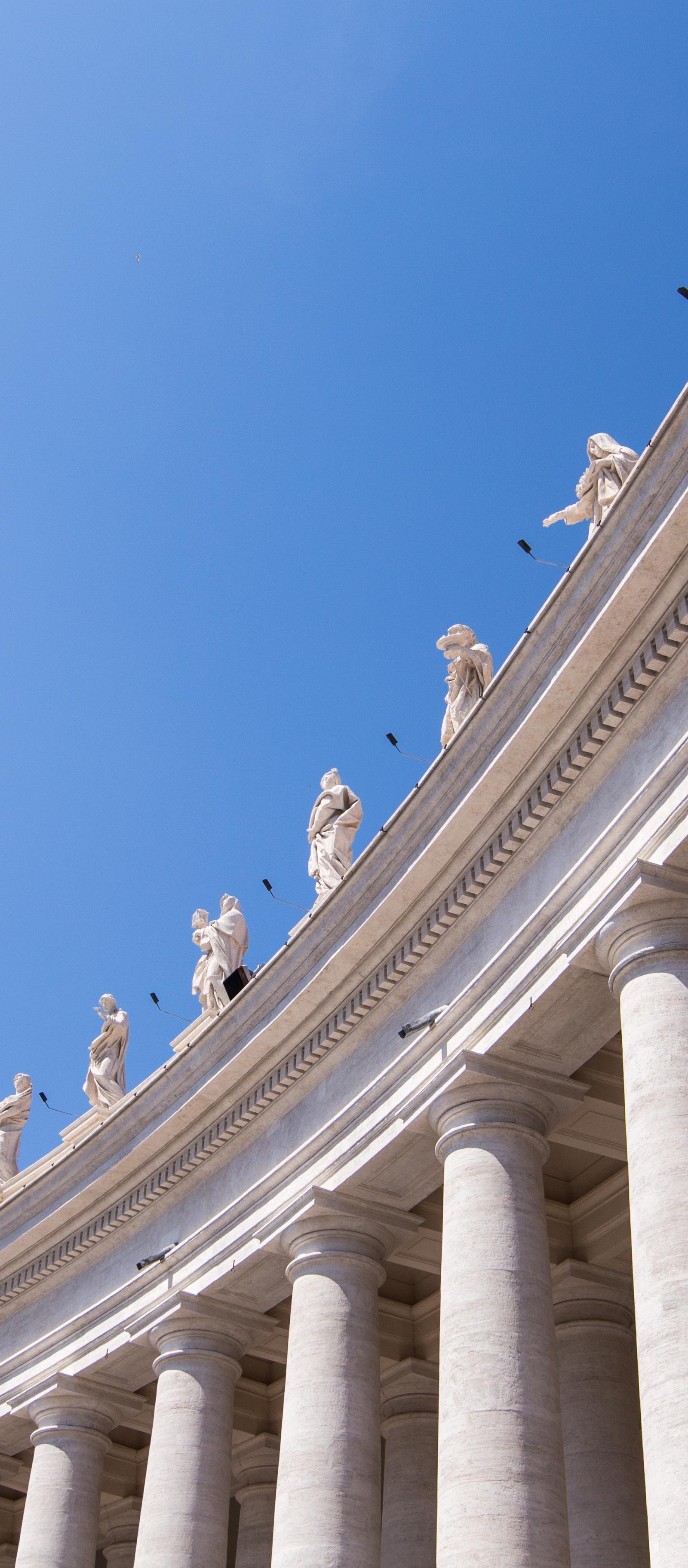
The Vatican Museums, on the edge of Rome within the walls of Vatican City, are among Europe's most visited cultural institutions. Built up over more than five centuries by successive popes, the collections span classical antiquity, the Renaissance and the modern era, and they culminate in the Sistine Chapel, whose ceiling and altar wall were painted by Michelangelo.
A single visit rarely covers everything. The signposted route leads through a sequence of galleries that includes the Gallery of Maps, with its painted topographical views of the Italian peninsula, the Raphael Rooms decorated by Raphael and his workshop, and the Pinacoteca, the picture gallery holding panel paintings and canvases. The Egyptian and Etruscan collections, the courtyards and the modern religious-art rooms are easy to miss if you rush.
The Sistine Chapel sits near the end of the itinerary. It remains a consecrated space and the setting for papal conclaves, so visitors are asked to keep silence and refrain from photography inside. Michelangelo's ceiling, completed in the early sixteenth century, and his later Last Judgment on the altar wall are the reason many people come, but the side walls carry earlier frescoes by other Renaissance masters that are worth study in their own right.
Practical planning makes a difference. Timed-entry tickets are booked through the museums' official website, and arriving with a reservation reduces queues that can be long in the warmer months. A modest dress code applies throughout the Vatican: shoulders and knees should be covered, a rule enforced at the Sistine Chapel and at St Peter's Basilica nearby. Comfortable shoes help, because the marble route runs for several kilometres.
The museums periodically close on particular days and offer occasional free-entry mornings, so checking the official calendar before travelling is sensible. For families and first-time visitors, the city's tourism service publishes itineraries that pair the Vatican with the surrounding Borgo district, making it possible to build a half-day around the collections without feeling hurried. Approached with a little planning, the Vatican Museums reward repeat visits rather than a single sprint to the chapel.
It also helps to set expectations about scale. The route passes through galleries measured in kilometres, and the busiest stretches near the Sistine Chapel can be slow, so building in time to sit, rest and look properly is more rewarding than trying to see every room. Early-morning and late-afternoon slots are generally quieter than the middle of the day, and travelling outside the peak summer weeks makes the whole experience calmer for those who have the flexibility to choose their dates.