culture
Auditorium Parco della Musica: Rome's Concert Complex
Renzo Piano's three concert halls in the Flaminio district anchor the capital's year-round programme of concerts and festivals.
Listen in English · 4 min
How we reported this
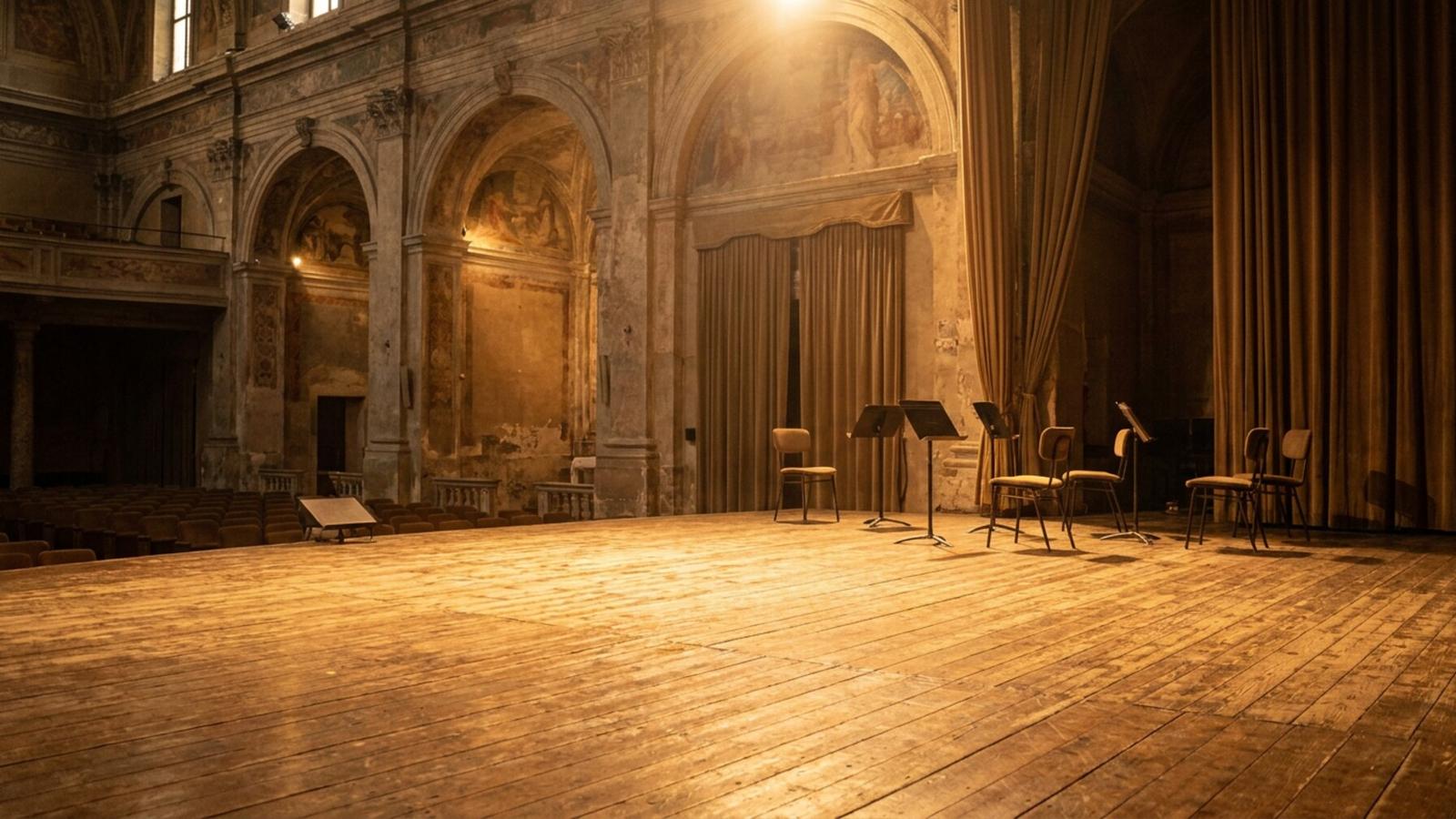
Rome's principal home for live music sits north of the centre in the Flaminio district. The Auditorium Parco della Musica, designed by the architect Renzo Piano and opened in 2002, is built around three lead-clad concert halls whose rounded forms have earned them the nickname of the beetles. Between them lies an open-air amphitheatre, so the complex works as both an indoor concert venue and a summer festival ground.
The three halls are tuned to different scales of performance. The largest is designed for full symphonic programmes and is the base of the Accademia Nazionale di Santa Cecilia, one of the oldest musical institutions in the world and the resident orchestra. The mid-sized hall suits chamber music and smaller ensembles, while the most intimate space is used for recitals, jazz and spoken-word events. During excavation of the site, the remains of an ancient villa were uncovered and preserved within the grounds, a reminder that even a modern cultural building in Rome rests on deeper history.
Programming runs well beyond classical music. Across the year the Auditorium hosts jazz, contemporary and world music, film screenings, book festivals, science events and children's programmes, which makes it a genuine cultural centre rather than a single-purpose concert hall. In summer the outdoor amphitheatre and surrounding spaces come alive with festivals that stretch late into the evening.
The venue is easy to reach by tram or bus, and it sits close to the MAXXI museum and the Ponte della Musica footbridge, so a visit combines naturally with an afternoon of contemporary art. Free areas, a bookshop and cafes mean visitors can explore the grounds even without a ticket.
Concert calendars, ticket sales and hall information are published on the Auditorium's official website. Because programmes range so widely, it is worth checking listings in advance: on a single week the halls might offer a symphony, a jazz quartet and a literary festival, giving visitors a chance to sample a side of Rome that has nothing to do with its ruins.
The complex is also designed to be enjoyed outside concert hours. The landscaped grounds, the shops and the cafes make it a pleasant place to spend an afternoon, and guided tours of the architecture are offered for those curious about how Piano shaped the halls for sound. Combined with a visit to the neighbouring MAXXI museum, the Auditorium turns the Flaminio district into a half-day destination in its own right, well away from the pressure of the city centre.