culture
MAXXI Museum: Contemporary Art and Architecture in Rome
Zaha Hadid's flowing concrete galleries in the Flaminio district give the capital a dedicated home for contemporary work.
Listen in English · 3 min
How we reported this
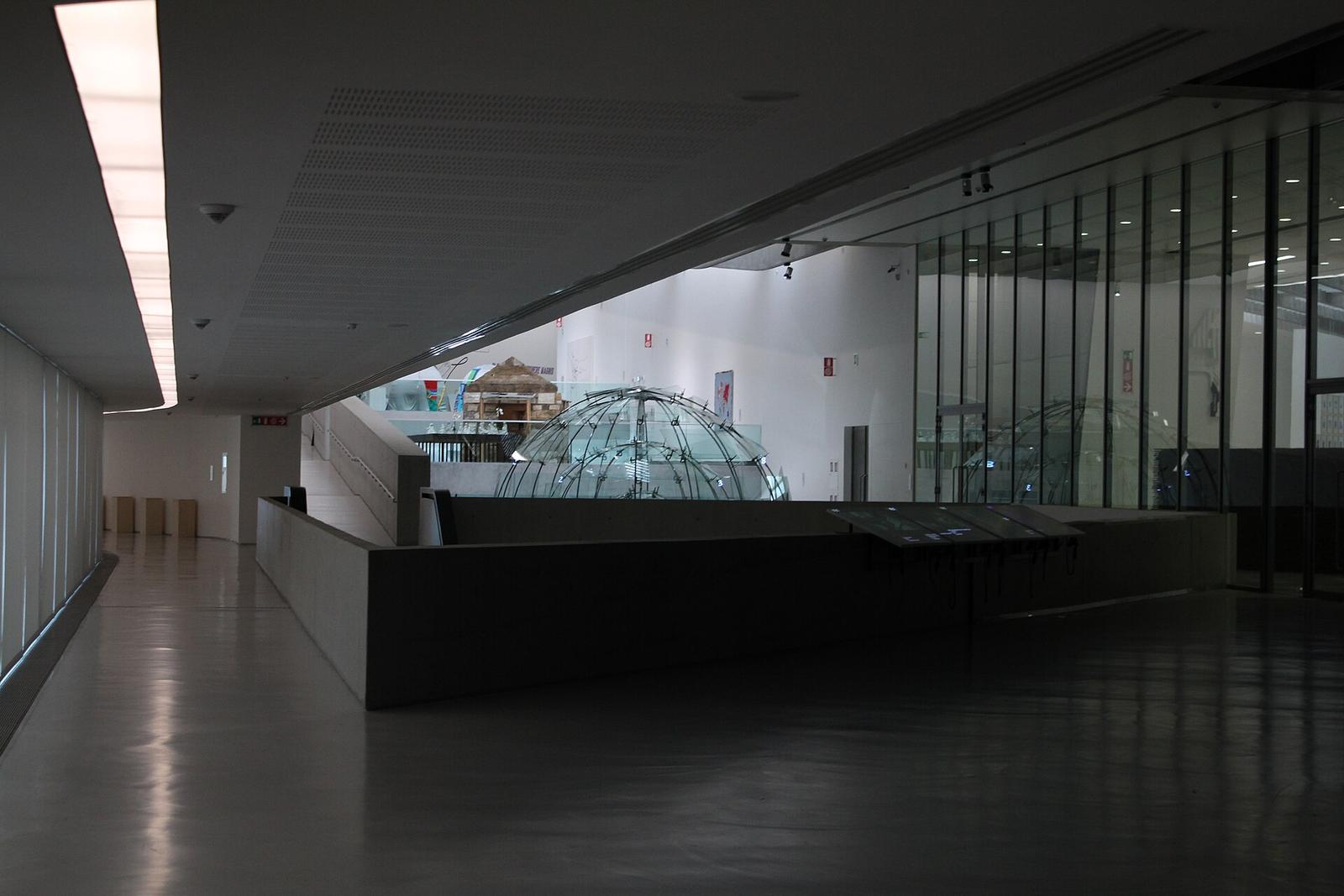
Rome is defined in the popular imagination by antiquity, but the city also keeps a foot firmly in the present. MAXXI, the National Museum of Twenty-First-Century Arts, is the clearest statement of that ambition. Opened in 2010 in the residential Flaminio district north of the centre, it was designed by the architect Zaha Hadid and is itself one of the reasons visitors make the trip.
The building is organised around sweeping, curving galleries in exposed concrete, with suspended staircases and long ribbons of space that flow into one another rather than dividing into conventional rooms. That architecture shapes the experience: exhibitions unfold along routes that bend and rise, and the structure is often as much the subject of a visit as the works on display.
MAXXI is split into two strands. MAXXI Art shows contemporary painting, sculpture, photography, installation and video, drawn from a growing permanent collection and from a busy programme of temporary exhibitions. MAXXI Architecture, less common in a major museum, collects drawings, models and archives that document the work of leading twentieth- and twenty-first-century architects, giving the discipline a rare dedicated platform.
The museum functions as a cultural hub as well as a gallery. Its public spaces host talks, film screenings, performances and design events, and the forecourt is used for installations and open-air programming in the warmer months. A bookshop and cafe make it an easy place to linger.
Reaching MAXXI is straightforward by tram or bus from the centre, and it pairs naturally with the nearby Auditorium Parco della Musica and the Ponte della Musica footbridge across the Tiber. Current exhibitions, opening hours and ticket details are listed on the museum's official website. For visitors who want to balance a Rome itinerary weighted toward ruins and Baroque churches, MAXXI offers a deliberate change of register and a look at how the capital engages with the art of its own time.
The surrounding Flaminio district repays a little extra time as well. Once known mainly for sports facilities and residential streets, it has gradually become a small cultural quarter, with the museum, the Auditorium and the footbridge over the Tiber within easy reach of one another. Visitors who make the short trip north from the centre often find a quieter, more everyday side of Rome than the crowded historic core, and the walk between venues is pleasant in itself.