community
The Pantheon: how to visit Rome's best-preserved ancient monument now that admission is ticketed
Visitors must now purchase tickets to enter the ancient Roman temple that later became a church and continues to rank among the city's best-preserved historic structures.
Listen in English · 4 min
How we reported this
The Pantheon now requires tickets for most visitors after years of free entry. This change affects how people approach one of Rome's most enduring ancient sites, a structure originally built as a Roman temple and later consecrated as a church.
Planning for the new ticketing system
With admission now ticketed, visitors benefit from checking the official information site before arriving. The Pantheon remains open to the public but operates under controlled access that replaces the previous no-cost policy. Planning ahead reduces wait times at the entrance and ensures a smoother experience inside the monument.
Local residents and tourists alike have adjusted their routines around the updated entry process. The site continues to draw crowds daily, and the ticketing arrangement helps manage the flow of people through the historic space. Those arriving without prior arrangements may encounter queues that were less common under the former free-entry model.
Respecting the building's role as a functioning church
The Pantheon serves as an active place of worship, which shapes visitor conduct once inside. People are asked to keep quiet and dress in a manner considered respectful for a church setting. This requirement stems directly from its status as a consecrated building rather than solely a tourist attraction.
Many visitors combine their interest in ancient architecture with an awareness of the ongoing religious use. The combination creates a distinct atmosphere compared with purely secular monuments elsewhere in the city. Staff and signage reinforce the guidelines to maintain an appropriate environment for both worshippers and sightseers.
Observing the architectural details during a visit
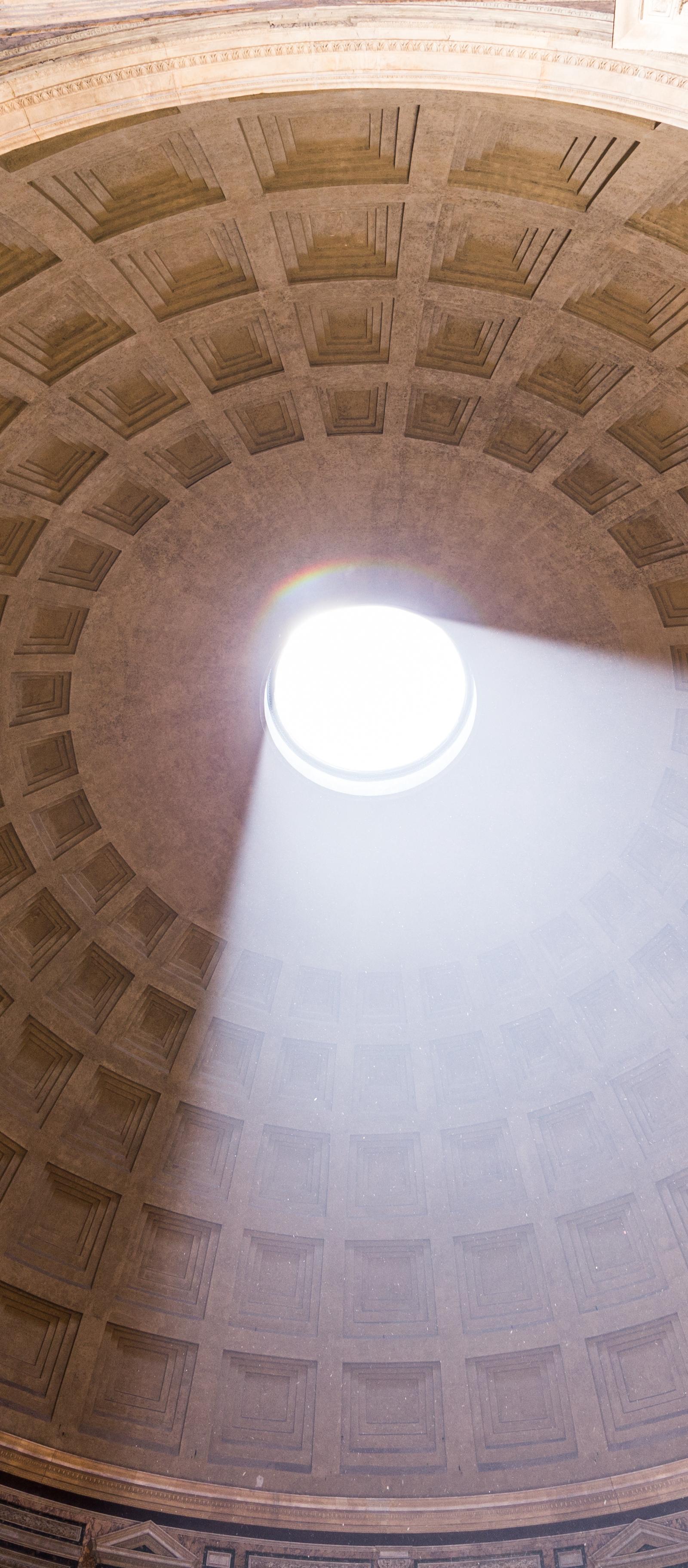
Inside, the Pantheon's dome features a central open oculus that allows natural light and, at times, rain to enter the space. Floor drains are designed to carry away any water that falls through the opening, preserving the interior. This engineering solution has functioned for centuries and remains visible to anyone standing beneath the dome.
The overall preservation of the structure contributes to its reputation as one of the best-maintained buildings from ancient Rome. The combination of the oculus, the large dome, and the original temple form offers a direct connection to Roman engineering that few other sites match. Visitors often spend time examining these elements while moving quietly through the main hall.
Practical visits now include purchasing tickets in advance through the official channels listed on the Pantheon visitor information page or the city tourism board site. Once inside, following the quiet and dress guidelines ensures the experience remains suitable for all users of the space. The ticketed system supports ongoing maintenance of the monument while preserving its dual identity as both historic landmark and working church.