wellness
Rome's Farmers Markets Explode With Figs, Flowers, Tomatoes This July
From Campo de' Fiori to the Testaccio neighbourhood, July is the month to load up on figs, courgette flowers, and the tomatoes that Roman kitchens are built around.
How we reported this
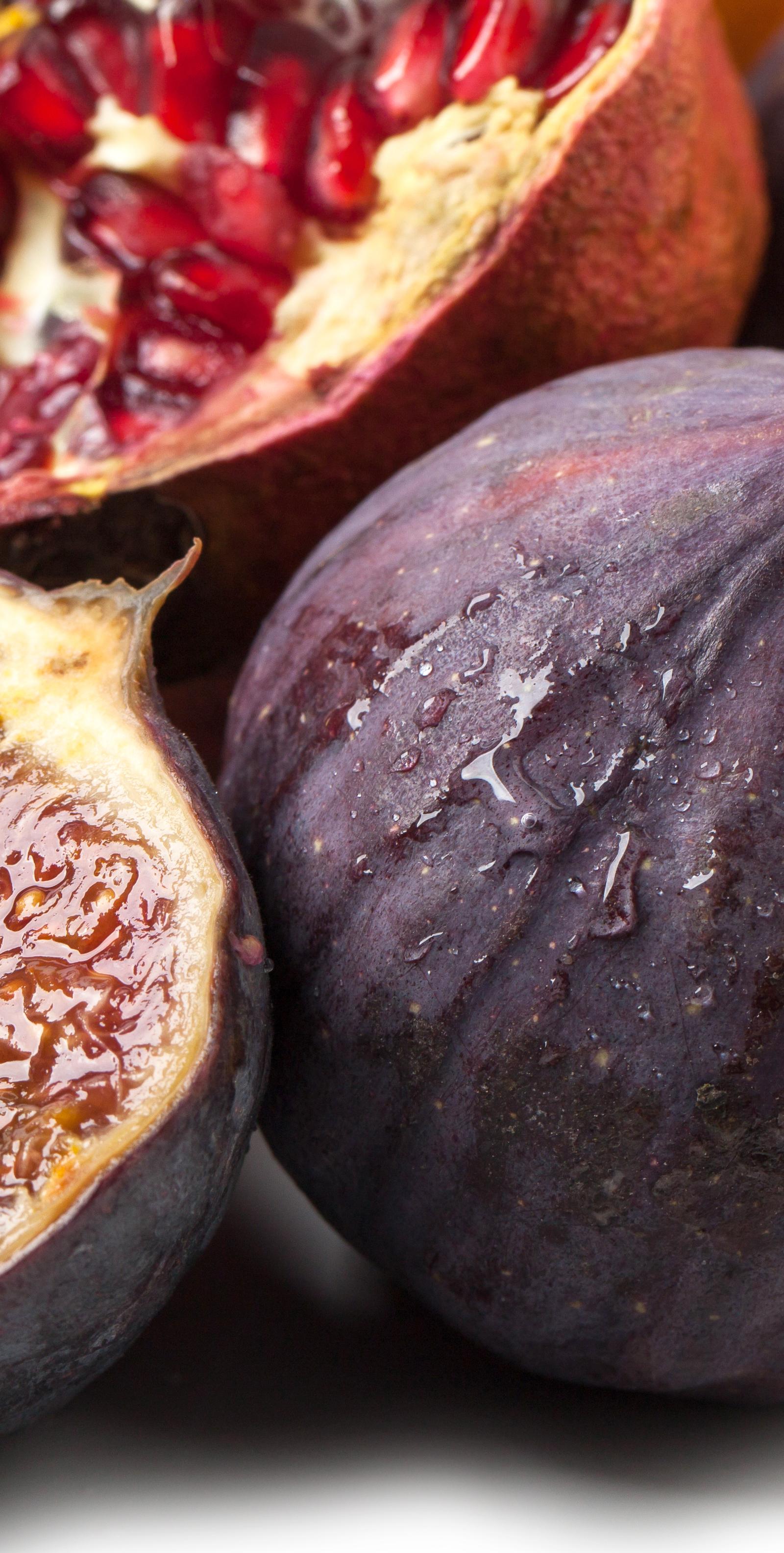
The summer harvest is running three to four days ahead of its usual schedule across Lazio this year, according to the regional agricultural consortium Coldiretti Lazio, which represents more than 18,000 farmers across the province. That early flush means the produce hitting Rome's outdoor markets right now is exceptionally good, and, in many cases, cheaper than what you would have paid in late June.
For anyone trying to eat well in the capital, mid-summer is not the time to be shopping at the supermarket. The case for farmers markets is not abstract. Italy loses an estimated 30 percent of its fresh produce nutritional value between farm gate and supermarket shelf due to cold-chain delays, a figure cited regularly by the Istituto Nazionale di Ricerca per gli Alimenti e la Nutrizione. Buying directly from growers at a local market collapses that chain almost entirely. At this time of year, in Rome, that matters more than ever.
Where to Go and When
Campo de' Fiori, the piazza that has hosted a daily market since 1869, remains the most convenient entry point for anyone staying near the historic centre. Stalls open around 7 a.m. and most vendors are packed up by 1.30 p.m. Prices here skew slightly higher than elsewhere, expect to pay between €2.50 and €3.50 per kilo for cherry tomatoes from Pachino, but the quality control is tight and provenance labels are, by municipal regulation, required at every stand.
Testaccio Market, housed inside a purpose-built covered structure on Via Aldo Manuzio since 2012, is the better choice for volume shopping and serious cooking. It draws fewer tourists and more Roman families who have been sourcing ingredients there for generations. Vendors at Box 47 and Box 51, two of the longest-operating produce stalls inside the building, typically source their goods from farms within 80 kilometres of the city walls. The Campagna Amica market run by Coldiretti, which sets up at Circo Massimo on alternate Saturdays, is a third essential stop: it is certified farmers-only, meaning no middlemen, no wholesale resale.
What to Buy Right Now
July is the month of fiori di zucca. Courgette flowers, the short-stemmed orange blooms sold in bundles of ten or twelve, are at peak abundance this week across Lazio farms. Buy them on the morning of the day you intend to cook them, they close and deteriorate within hours. At Testaccio and Campo de' Fiori, bundles are currently selling for around €1.50, down from €2.20 in May.
Tomatoes are the other non-negotiable. The ribbed cuore di bue variety, beef-heart tomatoes, is the signature of Roman summer eating. Look for deeply ridged skin and a slightly soft give at the stem end. Heirloom varieties grown in volcanic soil near Viterbo, about 80 kilometres north on the Via Cassia, are starting to appear at Campagna Amica stalls and are worth the price premium of roughly €4 per kilo.
Figs are just beginning their first flush. The Dottato variety, pale green-skinned, honey-centred, grown around the Sabina hills northeast of the city, is arriving at the Trionfale Market near the Vatican, Rome's largest covered market with more than 270 vendor stalls, in small quantities. Supplies will peak in late July. Grab them early. Peaches and nectarines from the Agro Pontino flatlands south of the city are already excellent and should be bought firm, left on the kitchen counter for 24 hours, and eaten at room temperature, not cold.
A practical note on timing: going at 8 a.m. means the best selection; going at noon means the best discounts, often 30 to 40 percent off, as vendors clear stock rather than transport it back. For anyone managing their diet or dealing with specific health conditions, a conversation with a local nutritionist or medico di base is worth having before making major changes to eating patterns, but for most Romans, the simplest upgrade is just showing up at one of these markets on a Saturday morning with a linen bag and a rough meal plan for the week ahead.