wellness
Romans Launch Walking Groups Through Historic Neighborhoods, Boost Community
With Rome's piazzas, parks and ancient streets already drawing thousands of daily walkers, turning a solo habit into a community event is easier than you think.
How we reported this
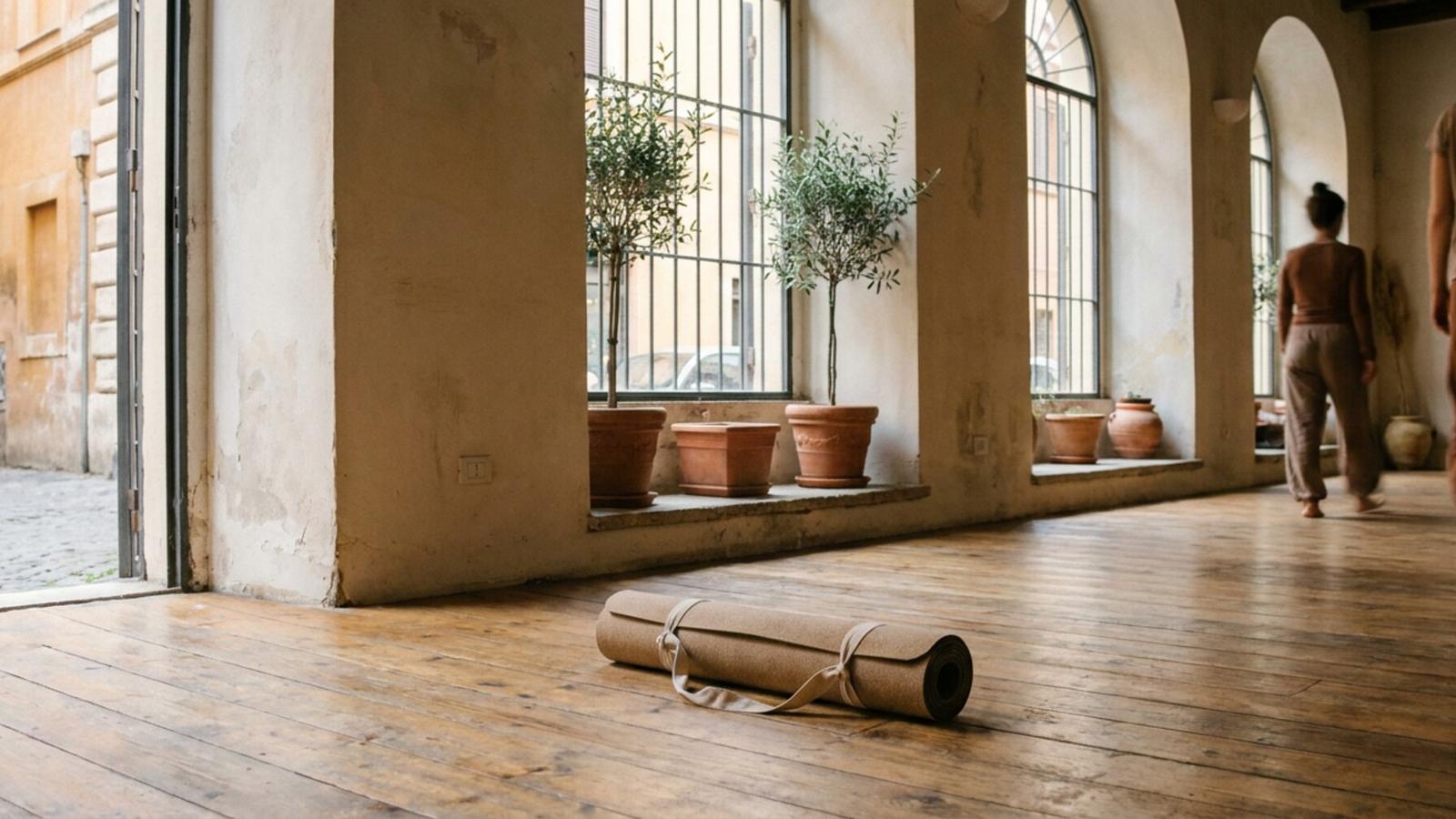
Rome has roughly 2.8 million residents and a city centre that, according to the Comune di Roma's 2025 mobility report, records more than 400,000 pedestrian journeys per day. Yet for all that foot traffic, organised neighbourhood walking groups remain surprisingly rare outside the city's formal running clubs. That gap is closing. Across Prati, Testaccio and Pigneto, small informal collectives have been self-organising since early 2026, and community fitness coordinators say the model is simple enough for anyone with a phone and a free Saturday morning to replicate.
The timing makes sense. Hormone research, mental health data and urban-planning studies published this year have converged on a familiar finding: moderate-intensity walking, done socially and consistently, delivers measurable improvements in cardiovascular health, mood regulation and sleep quality. The World Health Organization recommends at least 150 minutes of moderate activity per week for adults. A twice-weekly one-hour walk with neighbours covers that target almost entirely. Add Rome's July heat, temperatures have already reached 36°C in the city this week, and the case for early-morning group walks, before 8 a.m., becomes even stronger.
Finding Your Route and Your People
Start with geography. Rome rewards specificity. A walking group based in Trastevere, for example, has the Orto Botanico di Roma on the Gianicolo slope as a natural anchor, shaded, free to enter on weekday mornings, and roughly 12 hectares of relatively flat paths. Across the river, residents in the Trionfale or Della Vittoria quartieri have the Villa Pamphilj, at 184 hectares the largest public park inside the city's ring road, with dedicated pedestrian circuits that are well-marked and largely car-free. Both locations work for groups of any fitness level.
The logistical floor is low. Pick a fixed meeting point, a fountain, a specific bar entrance, a named gate, and a fixed time. Post it to a neighbourhood WhatsApp group or to the noticeboard at your local circolo culturale. Roma Cammina, a citizen walking initiative affiliated with the Federazione Italiana Escursionismo, has been running free group walks from the Piazza della Repubblica area since 2023 and now draws between 15 and 40 participants each Sunday. Their model: no registration fee, no equipment requirement, one designated pace-setter, and a post-walk coffee stop built into the route. It is a template worth borrowing directly.
Rules, Safety and Keeping the Group Alive
Three things kill nascent walking groups: inconsistency, no clear leader and routes that feel like a commute. Commit to the same day, same time, for at least six consecutive weeks before adjusting anything. Rotate the role of group leader so no single person burns out. And vary the destination monthly, the Appia Antica Regional Park, which stretches 3,400 hectares south of the Aurelian Walls, offers Sunday morning pedestrian access on the first Sunday of each month when Via Appia Antica itself is closed to private vehicles, a city policy that has been in place since 2020.
Safety in July heat is not optional. The Lazio regional health authority advises avoiding outdoor exertion between 11 a.m. and 3 p.m. during red-alert heat days, which the city has been issuing with increasing frequency since mid-June. Start before 7:30 a.m., carry water, establish a no-shame policy about slowing the pace, and pick shaded routes whenever possible. Loose cotton clothing, sunscreen rated SPF 30 or higher, and a charged phone are the only real gear requirements.
Costs are minimal. Creating a group on WhatsApp or Telegram is free. Printing a paper flyer to leave at the Farmacia comunale or a local alimentari costs less than €2. If the group grows past 20 regular members and you want official status, the Comune di Roma's Dipartimento Sport e Politiche Giovanili operates a registration process for voluntary sports associations that costs approximately €50 in administrative fees and grants access to public spaces for organised events.
Begin this weekend. The route can be short, 45 minutes is enough. The city is already your gym.